Everything a beginner needs to know, in 5 minutes.
 BeginnersFirst time at the clubWe lend darts for free — just come along
 BeginnersHow to scoreSingle, double, treble in one minute2,37mto the boardBeginnersEtiquette at the boardWhere to stand, when to stay quiet, when to pull your darts501301CRICKETThe gameGame formats501, 301, Double In, Cricket — what's the difference
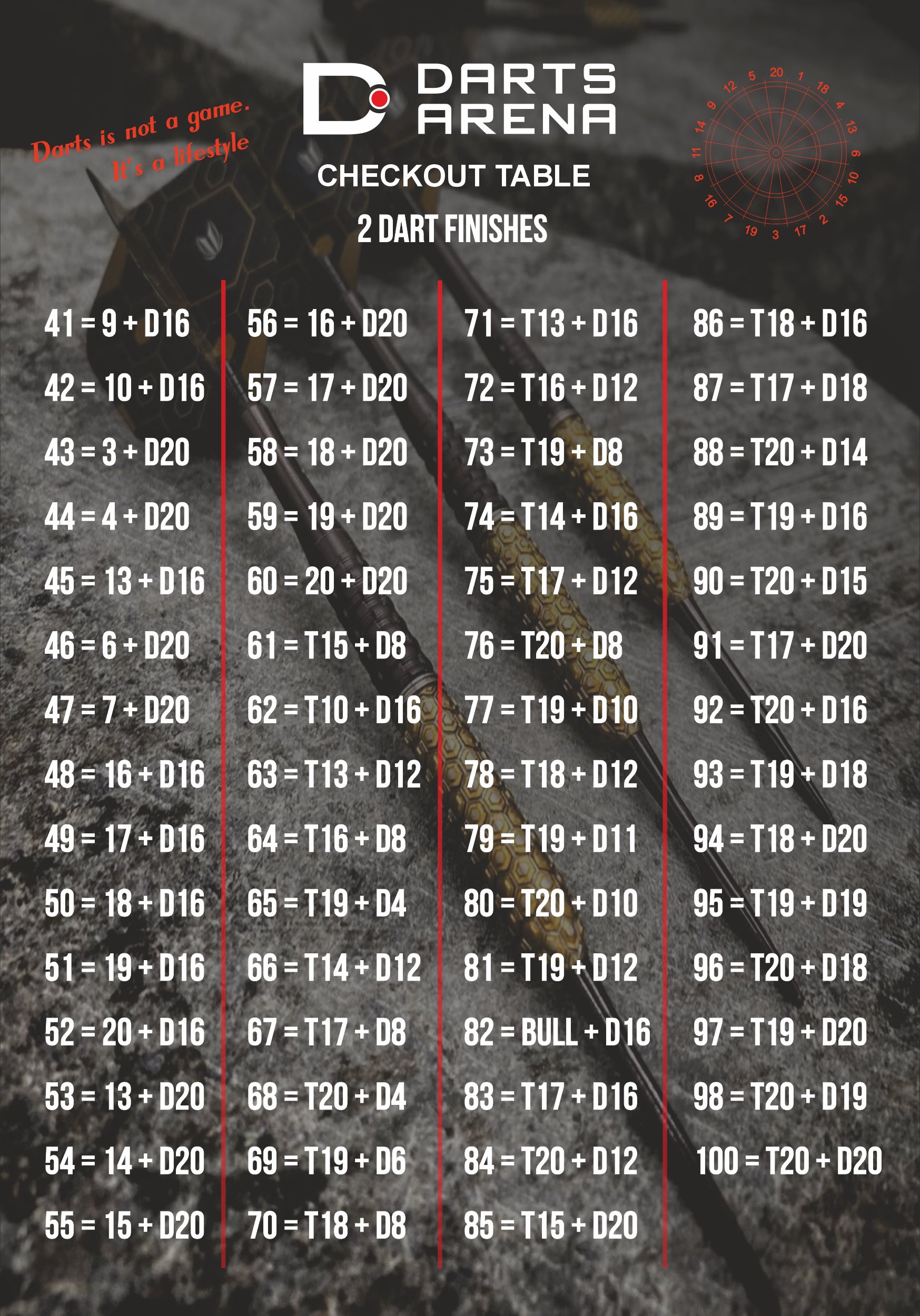
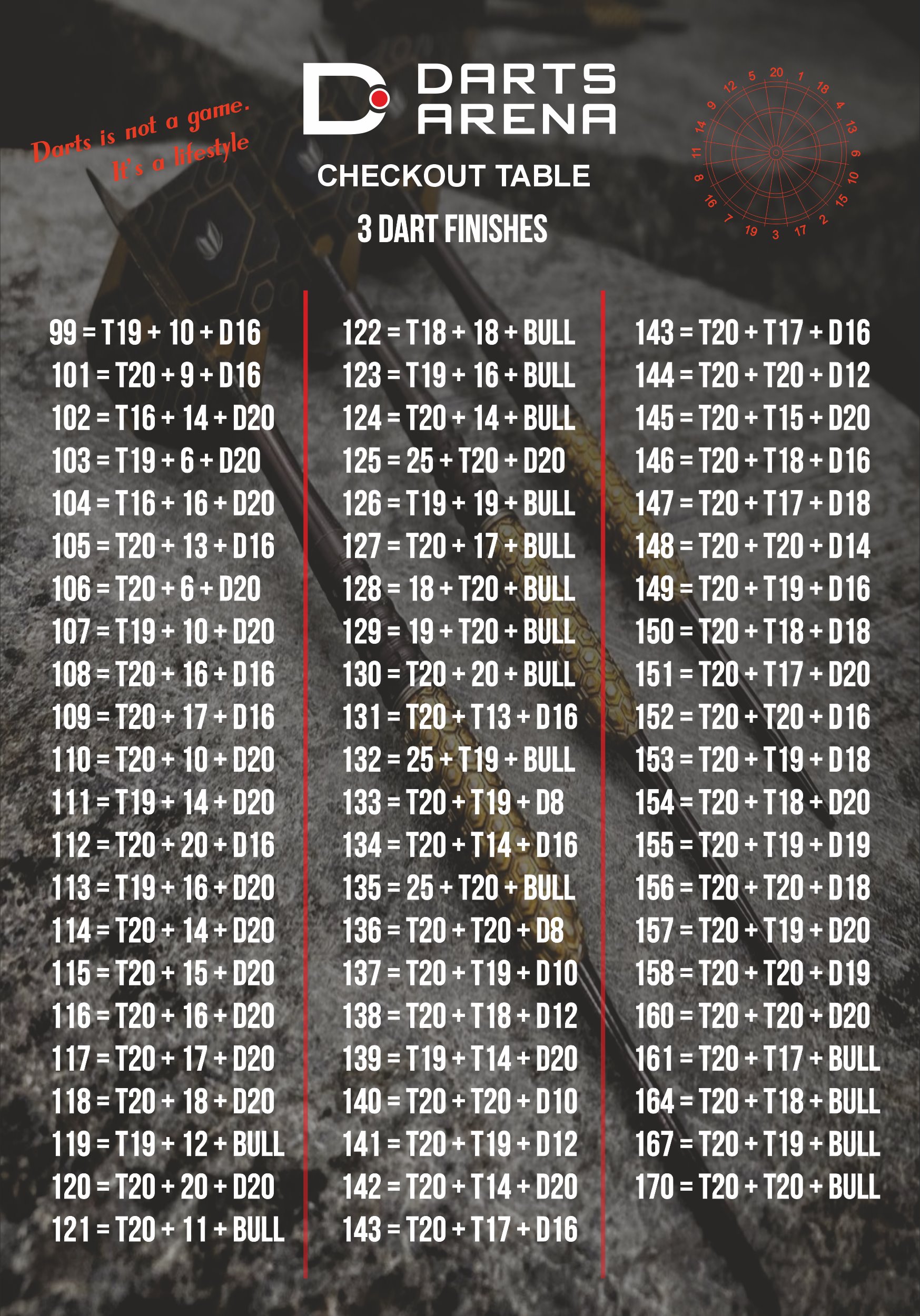
 The gameCheckout tablesHow to finish with 2 or 3 darts
 HistoryThe history of dartsFrom the Middle Ages to Alexandra Palace and the 1896 board
Hello 👋
Glad you decided to give it a go! Coming for the first time? Here is everything you need to know.
Yerevan, Davtashen, Tigran Petrosyan 68/6 · daily 11:00–23:00 · +374 94 65 88 90
Step-by-step guide…
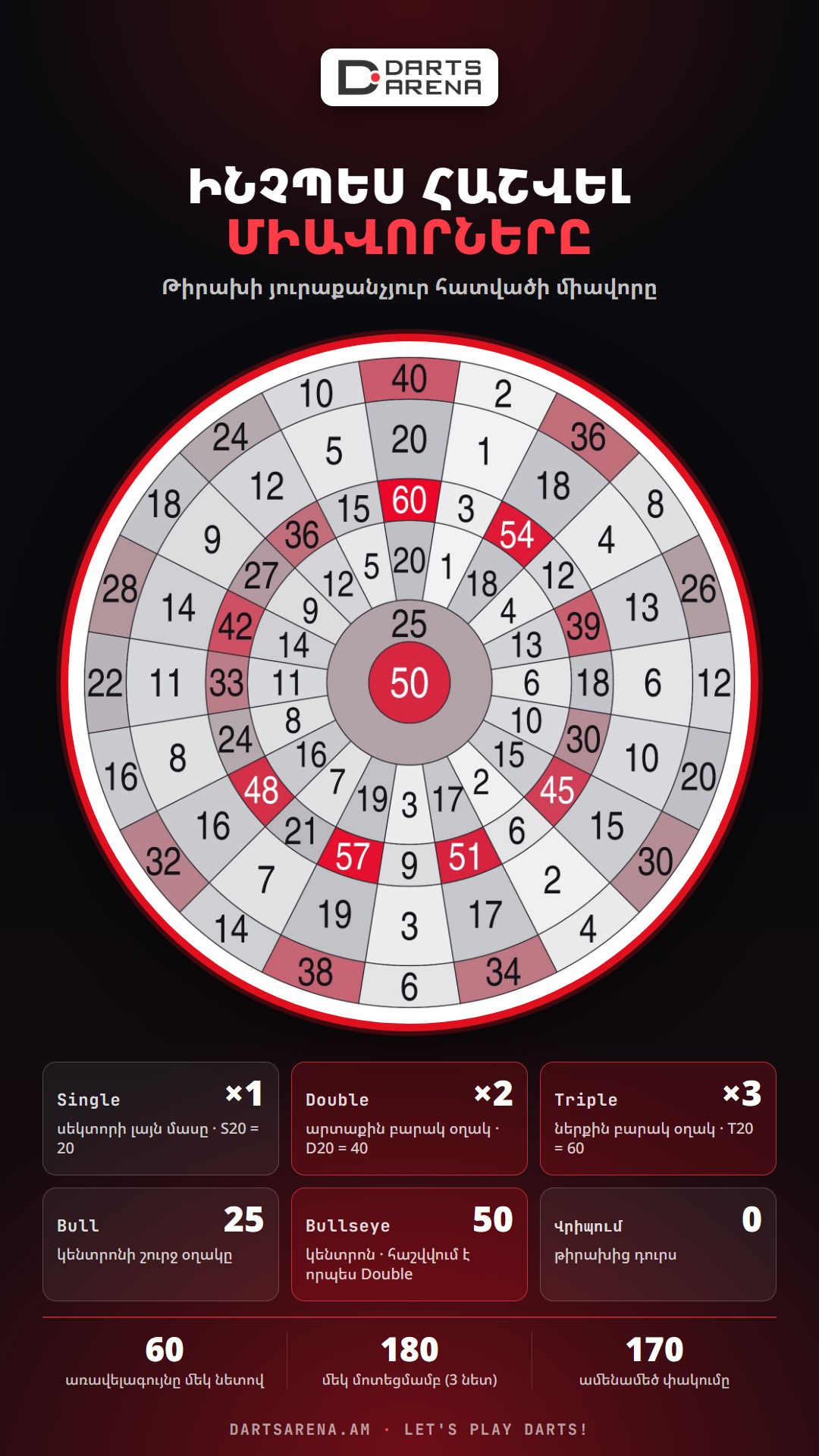
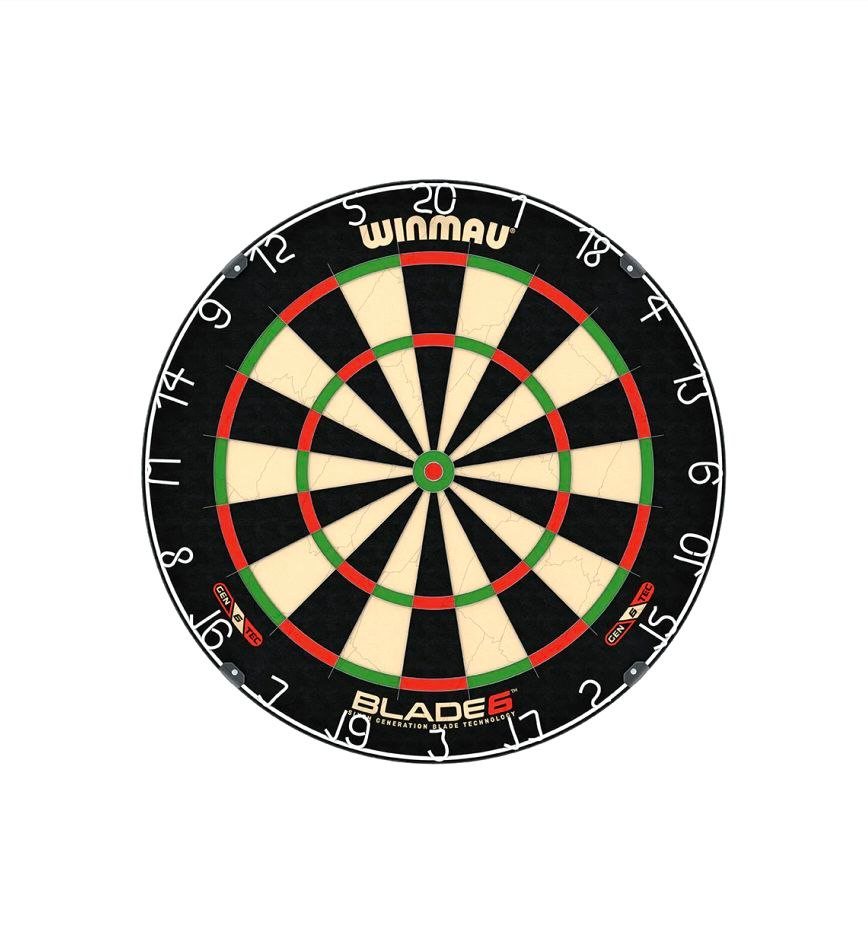
The board is divided into 20 segments, from 1 to 20. Clockwise from the top: 20, 1, 18, 4, 13, 6, 10, 15, 2, 17, 3, 19, 7, 16, 8, 11, 14, 9, 12, 5.
Dimensions: the board is 451 mm across, the centre of the bullseye is 1.73 m above the floor, and the throwing line is 2.37 m from the face of the board (steel tip).
Darts is a game of respect. Everyone keeps these simple rules, in Darts Arena leagues and at any tournament (rules 1.9.1).
Pick a format — each one in detail.
Step-by-step guide…
The classic. Each player starts on 501 and subtracts what they score with every visit (three darts).
The leg goes to whoever reaches exactly zero first, and the last dart must land in a double (Double Out) or the bullseye.
Bust: if the remainder goes below zero, to 1, or to zero without a double, the visit does not count and the score returns to what it was before.
The perfect leg is 9 darts (a nine-darter). A good amateur level is 20–30 darts per leg.
A match is usually first to a set number of legs (for example, first to 3). Leagues AML, APL, AHL and ASL play 501.
The same rules as 501, but starting from 301.
Legs are shorter, so the format suits beginners and amateur leagues: you play more legs in an evening and practise finishing more often.
The last dart still has to be a double or the bullseye. Leagues AAL, AAHL, AATL and ARSL play 301.
Scoring starts only with the first dart in a double; until then nothing counts.
Every leg starts with a 'double in' and ends with a double out, so doubles matter twice as much.
Arena Double In League (ADIL) plays by this rule.
Step-by-step guide…
A tactical game on the 15, 16, 17, 18, 19, 20 segments and the bull.
Each segment is 'closed' with three hits: single 1, double 2, treble 3. On the bull, the outer ring counts 1 hit and the bullseye 2.
Further hits on a closed segment score points until the opponent closes it too.
The winner is the first to close every segment and the bull without trailing on points.
Some tours of the hybrid leagues (AHL, AAHL) are played as Cricket.
Step-by-step guide…
A practice game: hit every segment from 1 to 20 in order, then the bull.
Make it harder with doubles only or trebles only.
The best exercise for accuracy and for learning the board. You can play it alone at home.
Step-by-step guide…
A practice game for doubles, created by England's Bob Anderson (The Limestone Cowboy), the 1988 world champion.
Why: a leg of 501 or 301 can only finish on a double. Bob's 27 takes you round every double and gives one number, your score, to compare week to week.
Variants: with the bull at the end; no bust-out for beginners; reverse order, D20 to D1.
Step-by-step guide…
A checkout drill. Nobody knows who invented it: amateurs and pros alike use it.
Why: it teaches you to count on the fly, where to throw to leave a comfortable double, and to finish big scores with a limited number of darts.
Start with 9 darts, then move to 6 and 3. Variant: miss and drop one number instead of going straight back to 121.
How to finish a score with two or three darts. Save them to your phone and check during play.
Step-by-step guide…
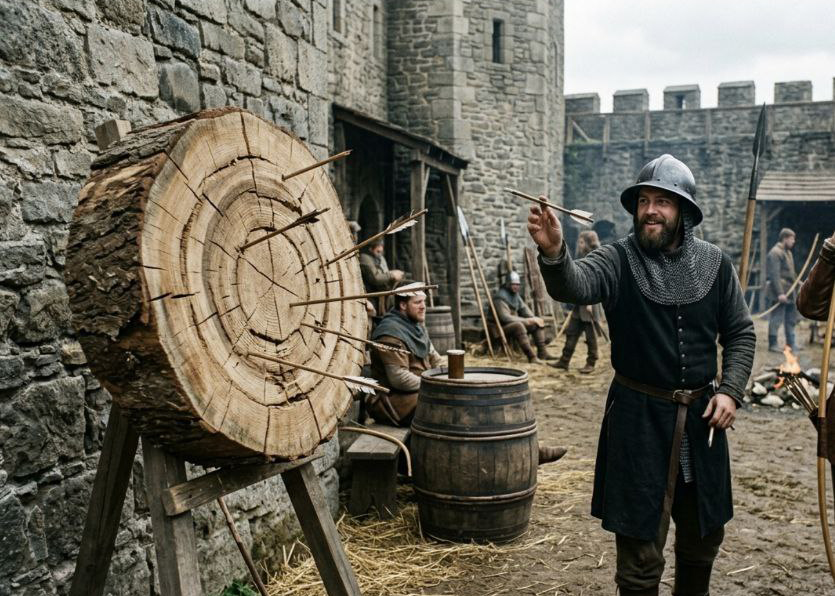
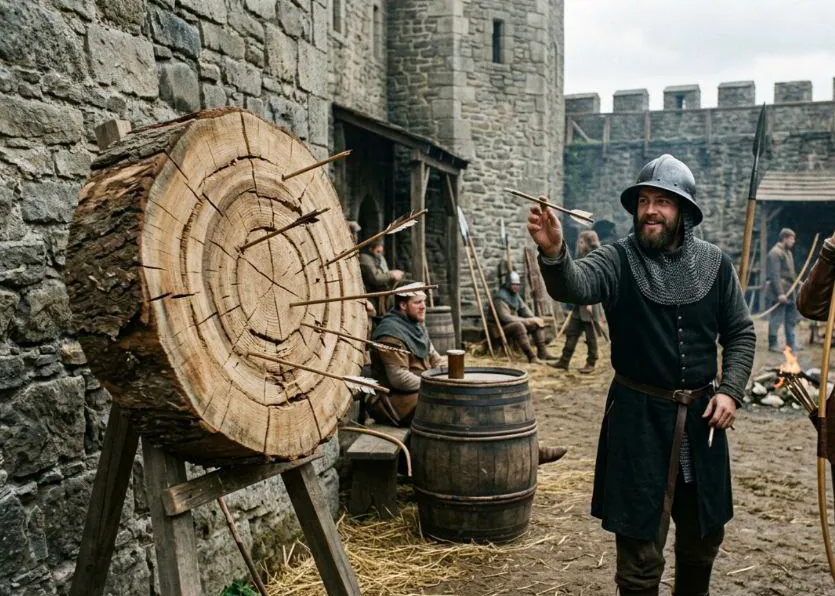
Darts comes from England. Legend has it that as early as the Middle Ages soldiers and archers threw short arrows at the bottom of a barrel or a cut tree trunk, competing for accuracy.
At the end of the 19th century the game moved into English pubs. The familiar order of numbers on the board (20 at the top with 1 and 5 beside it) is traditionally dated to 1896. It is designed to punish an inaccurate throw: small numbers always sit next to big ones.
The British Darts Organisation (BDO) was founded in 1973, and the first World Championship was held in 1978. In the 1990s the professionals formed their own body, the PDC; its World Championship is now played at Alexandra Palace in London.
Today darts is played all over the world — from pubs and clubs to televised tournaments. There are two kinds: steel tip (metal points, a sisal board) and soft tip (plastic points, an electronic board). At Darts Arena we play steel-tip darts.
1896
The modern order of numbers on the board was devised by Brian Gamlin in 1896 in England.
He arranged the numbers so that small ones sit next to big ones. For example, 20 is flanked by 1 and 5.
So an inaccurate throw immediately costs you points.
This made darts a harder and more interesting game. 🎯